

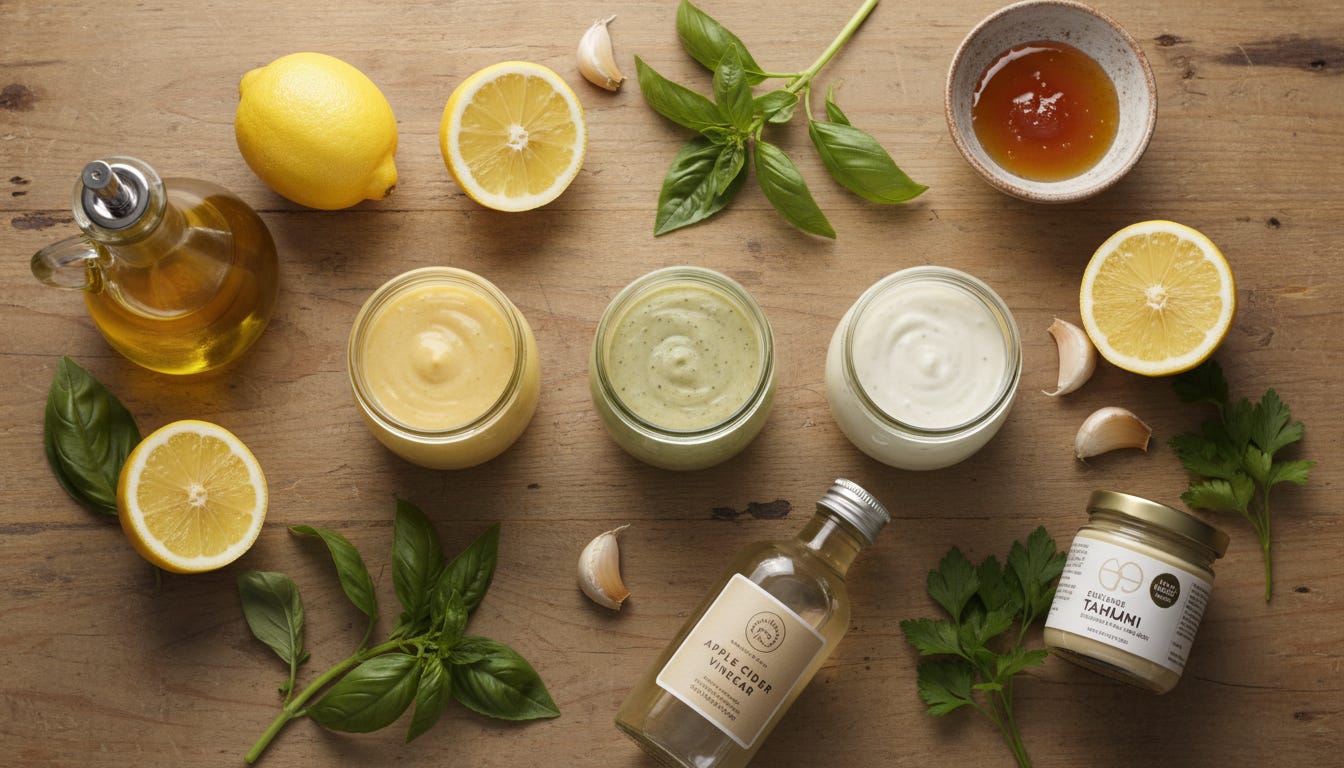
In an age where store-bought salad dressings are loaded with refined sugars, preservatives, cheap oils, and hidden chemicals, a growing movement is calling us back to something beautifully simple: making our own dressings from pure, whole ingredients. Recent health reporting highlights how clean-label food — products made with recognisable, wholesome ingredients is no longer a niche trend but a data-driven shift in how people eat. Big data now confirms what our tradition has always taught: purity in what we consume matters deeply.
The Quranic Call to Eat What is Pure
Allah says in the Quran:
يَا أَيُّهَا النَّاسُ كُلُوا مِمَّا فِي الْأَرْضِ حَلَالًا طَيِّبًا
“O mankind, eat from whatever is on earth [that is] lawful and pure.”
— (Surah al-Baqarah, Chapter 2, The Cow, Verse 168)
The word طَيِّب (tayyib) carries a meaning far richer than simply “halal.” It encompasses that which is wholesome, clean, nourishing, and good. Scholars from the Ahl al-Bayt (AS) have consistently emphasised that a believer’s relationship with food is not merely about avoiding the haram, but actively seeking what is tayyib — what genuinely benefits the body and soul.
Prophetic & Ahl al-Bayt Wisdom on Simple, Pure Foods
The ingredients at the heart of healthy homemade dressings — olive oil, lemon, vinegar, honey, herbs — are not just modern superfoods. They are foods celebrated in Islamic tradition:
🫒 Olive Oil — The Prophet Muhammad (S) said: “Eat olive oil and anoint yourselves with it, for it comes from a blessed tree.” (Reported in Shi’a and Sunni hadith collections). Imam al-Sadiq (AS) is also reported to have praised the olive, calling it the food of the prophets. Olive oil forms the base of nearly every healthy vinaigrette — a simple blend of oil, acid, and seasoning.
🍯 Honey — Allah says: “There comes forth from their bellies a drink of varying colours, wherein is healing for mankind.” (Surah an-Nahl, Chapter 16, The Bee, Verse 69). A touch of raw honey in a dressing replaces the refined sugars found in commercial bottles, turning a simple condiment into something with genuine shifa (healing).
🫗 Vinegar — Imam Ja’far al-Sadiq (AS) is reported to have said: “Vinegar is the condiment of the prophets.” This narration, found in Shi’a hadith literature such as al-Kafi and Makarim al-Akhlaq, elevates a humble pantry staple to a food of spiritual significance. Apple cider vinegar, balsamic, and red wine vinegar are the backbone of clean dressings.
🍋 Lemon & Citrus — While not specifically named in hadith, citrus fruits fall under the broader Qur’anic category of fruits provided as blessings (fakiha), and their cleansing, alkalising properties align perfectly with the prophetic emphasis on foods that lighten the body.
🌿 Fresh Herbs (Basil, Parsley, Cilantro) — Imam Ali (AS) is narrated to have encouraged the consumption of greens and herbs, as they are among the foods that sharpen the mind and benefit digestion.
Five Simple Dressings You Can Make in Minutes
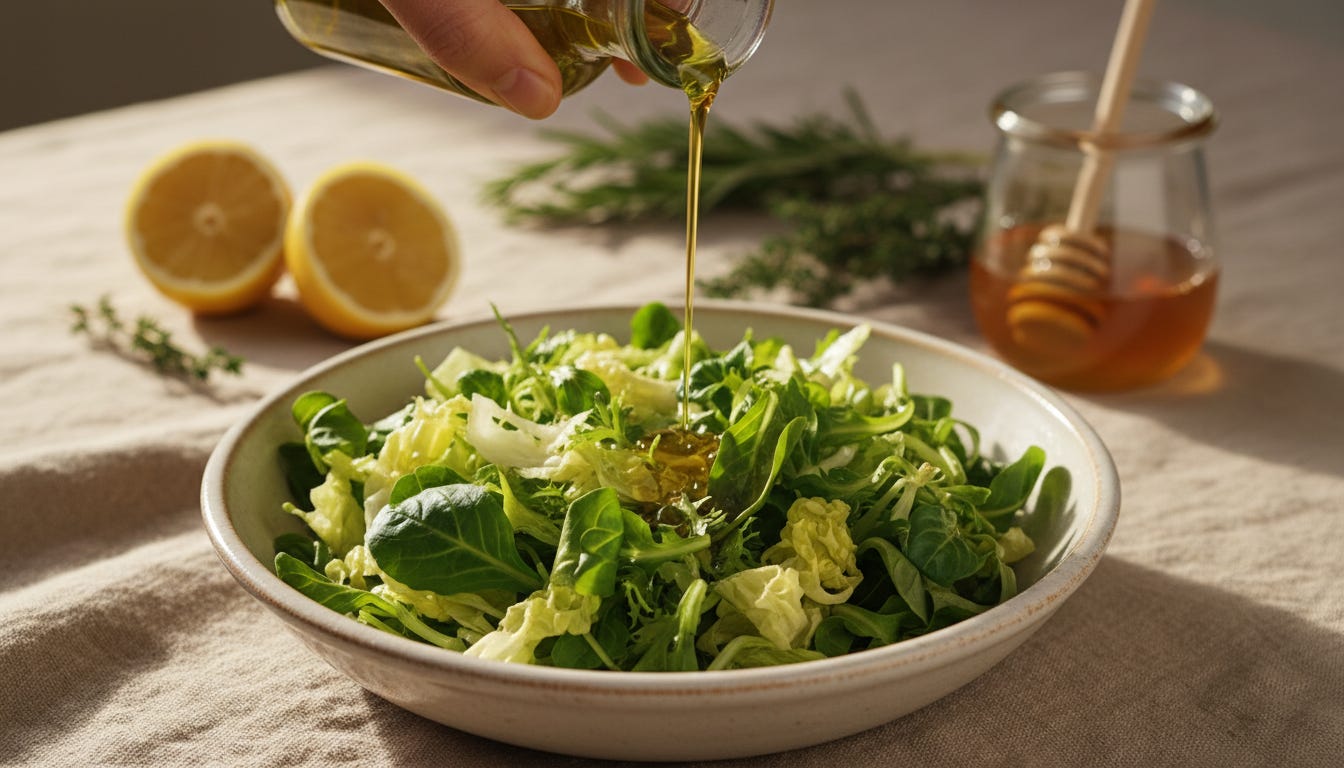
Inspired by the clean-label movement and grounded in ingredients our tradition honours, here are five dressings to transform your salads:
Classic Lemon-Olive Oil Vinaigrette — Extra virgin olive oil, fresh lemon juice, a pinch of sea salt, crushed garlic. The simplest and most prophetic of dressings.
Honey-Mustard Dressing — Olive oil, raw honey, whole grain mustard, white wine vinegar, salt and pepper. Sweet, tangy, and free of any refined sugar.
Tahini-Lemon Dressing — Tahini, lemon juice, garlic, water to thin, a drizzle of olive oil. Creamy, nutty, and deeply satisfying — tahini (from sesame) is another food praised in Middle Eastern prophetic food culture.
Herb & Vinegar Dressing — Olive oil, apple cider vinegar, dried oregano, parsley, basil, garlic powder. A clean take on Italian dressing with zero preservatives.
Citrus-Basil Vinaigrette — Fresh orange juice, lime juice, fresh basil, a touch of mustard, olive oil. Bright, fragrant, and bursting with vitamins.
Each takes under five minutes. Store in a glass jar in the fridge for up to a week.
Why This Matters for the Muslim Table
Imam Ali (AS) said: “The stomach is the house of disease, and restraint is the head of every remedy.” (Nahj al-Balagha tradition). When we pour a store-bought dressing over our salad — one filled with soybean oil, high-fructose corn syrup, and sodium benzoate — we may be undoing the very health benefit we sought from the salad itself.
Clean eating is not a Western invention. It is a return to fitrah — the natural state upon which Allah created us. The Qur’an, the Prophet (S), and the Ahl al-Bayt (AS) consistently guided us toward food that is simple, recognisable, and nourishing.
Making your own salad dressing is a small act, but it is an act of intentionality — of choosing tayyib over convenient, of honouring the body that has been entrusted to you as an amanah.
A Final Reflection
وَكُلُوا وَاشْرَبُوا وَلَا تُسْرِفُوا
“Eat and drink, but do not be excessive.”
— (Surah al-A’raf, Chapter 7, The Heights, Verse 31)
The beauty of homemade dressings is that they embody this verse perfectly: just enough of what is good, nothing of what is wasteful or harmful. A drizzle of blessed olive oil, a squeeze of lemon, a spoonful of honey — and your salad becomes not just a meal, but an act of gratitude.
Bismillah, and bon appétit.