


To live a life of dignity with a feeling of honour in one’s chest and a peaceful heart is a profound blessing. For many, this sense of tranquility and pride is anchored in the guidance of a steadfast leader. In times characterised by countless, brutal storms, the presence of a “skilled captain” offers a sanctuary of wisdom and guidance. When eyes and hearts turn toward a focal point of leadership—such as the Husseiniyeh of Imam Khomeini—there is an enduring hope that a single calming sentence can perform a miracle, pouring water over the fires of anxiety.
This profound attachment to a leader is not merely political; it is deeply spiritual, rooted in the principles set forth by the Quran and the Household of the Prophet (Ahl al-Bayt).
Strong Against the Enemy, Gentle with the Believers

A defining hallmark of a true Islamic leader is the balance of majestic strength and fatherly compassion. To stand fearlessly before vicious adversaries—holding a weapon during sermons without the slightest trace of fear—strengthens the hearts of the people. Yet, among the believers, this same leader radiates a gentle affection, bringing warmth to their souls with smiles, prayers of goodwill, and fatherly kindness.
This duality perfectly embodies the Quranic description of the companions of the Prophet (S). In Surah Al-Fath, the Holy Quran states:
“Muhammad is the Messenger of Allah; and those with him are forceful against the disbelievers, merciful among themselves.”
— (Quran, Surah al-Fath, Chapter 48, The Victory, Verse 29)
It is this precise manifestation of being “merciful among themselves” that binds a leader to the people so tightly that they cannot bear the thought of living a day without his presence, praying they might leave this world before he does.
Yearning for the Rank of Qanbar

Despite the immense love and devotion from his followers, a hallmark of pious leadership is absolute humility, particularly in the presence of the Ahl al-Bayt. When poetry or slogans attempt to compare such a leader to the Household of the Prophet, the sincere reaction is one of trembling and rejection: “Where were they, and where are we!”
Rather than embracing grand titles, the greatest wish of a devout leader is merely to attain the rank of Qanbar, the loyal and devoted servant of Imam Ali (AS). To view oneself as nothing compared to the Abyssinian servant of the Master of the Martyrs is the ultimate testament to understanding the unparalleled, divine station of the Ahl al-Bayt.
An Adornment for the Household

Imam Ja’far al-Sadiq (AS) famously instructed his followers:
“Be an adornment for us, and do not be a disgrace to us.” (Al-Amali, Sheikh Saduq)
A leader who lives deeply according to the teachings of the Ahl al-Bayt, whose majesty is inspired by the majesty of Imam Ali (AS), becomes a true manifestation of this Hadith. By leading with a gentle heart and steadfast faith, they become a source of honour for the Household of the Prophet. Through the clear mirror of such an existence, followers are able to taste the sweetness of loving the Ahl al-Bayt even more profoundly.
If the Shadow is Magnificent, What of the Sun?

Ultimately, the reverence for a righteous leader acts as a compass, directing the heart toward the ultimate Saviour. When followers witness a leader who is a beautiful combination of virtue—powerful yet oppressed, a heartbroken mystic yet a courageous fighter, firm yet filled with tenderness—a powerful, inescapable question arises:
“If the shadow is this magnificent, how wondrous the sun must be?!”
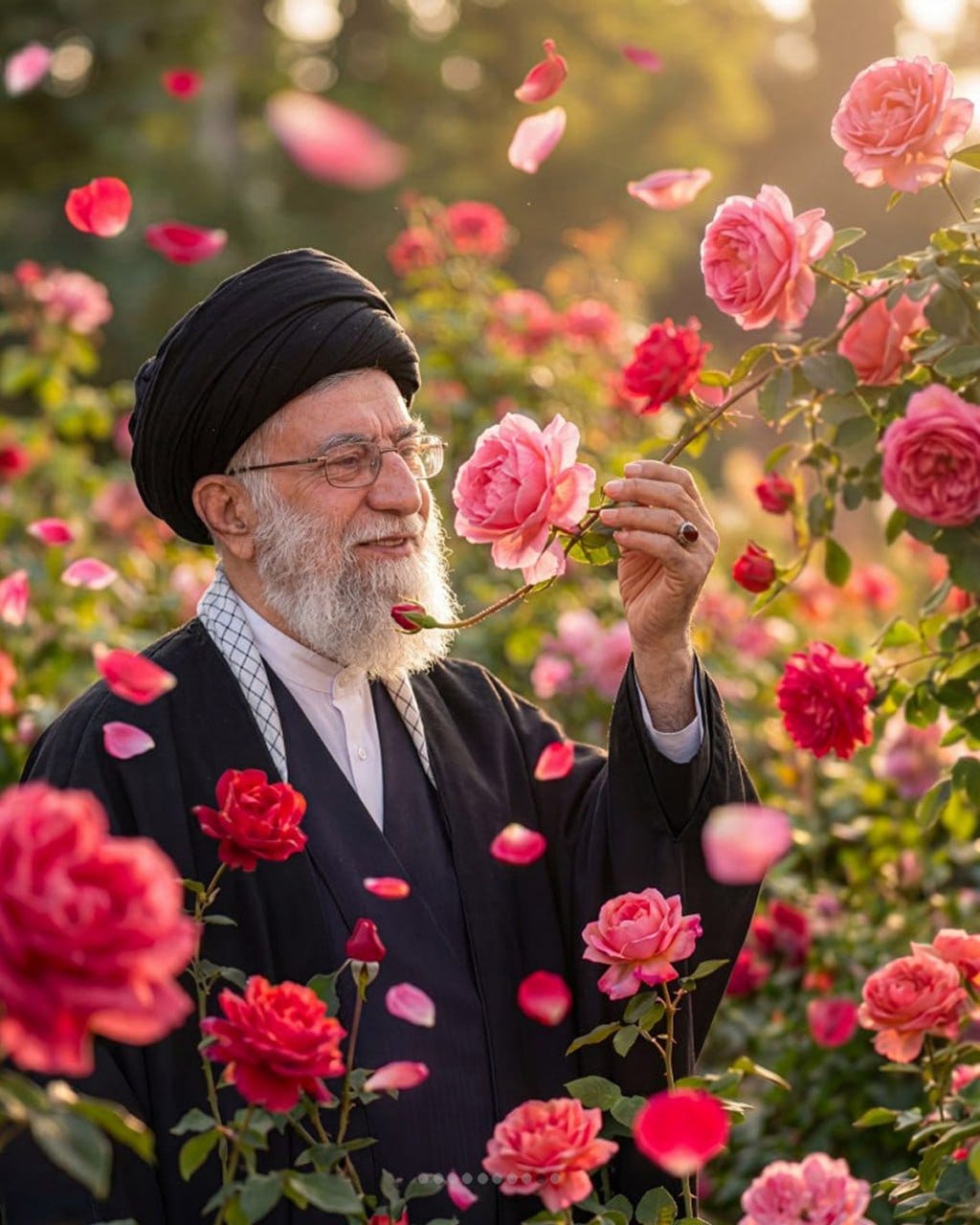
If a leader who considers himself merely the dust beneath the sandals of the Ahl al-Bayt can inspire such deep devotion, comfort, and peace, then what will the presence of the ultimate Saviour do to our hearts? Whenever we look at those who serve him, our hearts grow restless for the Reappearance. We are left with a singular, burning anticipation: waiting to behold the Imam of the Time (AJ), and wondering just what profound miracles “Mahdi, the son of Fatimah” will awaken within our souls.
Reference: Sheikh Ali Reza Panahian
Think about this all the time. Reading this gave me goosebumps