

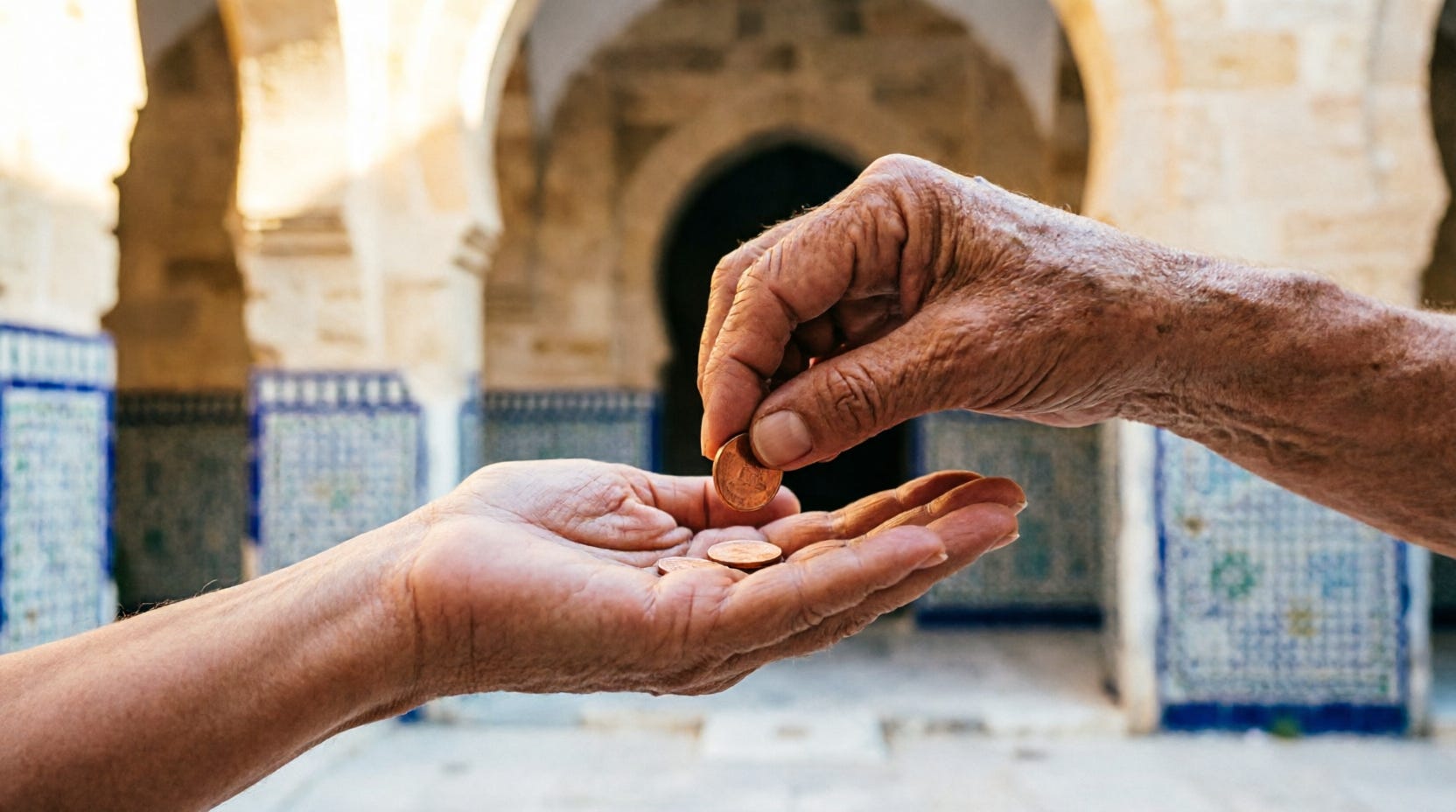
While the United Nations marks September 5th as the International Day of Charity, for Muslims, the concept of giving is woven into the very fabric of our daily faith. It is not merely an annual reminder to open our wallets, but a profound spiritual invitation to rethink what it means to do good. In Islam, benevolence (Ihsan) extends far beyond monetary donations; it encompasses justice, advocacy, skill-sharing, and the preservation of human dignity. The pressing question for the modern Muslim is not simply, “How much should I give?” but rather, “What should I give, to whom, and with what lasting impact?”
Expanding the Definition of a Good Deed
In our communities, charitable work is often narrowly viewed as distributing food, funding mosques, or aiding the sick. While these are noble and highly rewarded acts, the Islamic understanding of Sadaqah is remarkably expansive. The Prophet Muhammad (peace and blessings be upon him and his pure family) declared, “Every good deed is charity.”
A “good deed” in the social sphere is any action that alleviates suffering, restores a right, nurtures human potential, or creates lasting societal benefit.
As Imam Ali (peace be upon him) profoundly stated in the Ghurar al-Hikam: “The best of people is the one who is most beneficial to people” (Khayr al-nas man anfa’uhum li al-nas).
This elevates our understanding of benevolence from a mere financial transaction to a state of being maximally useful to society. Sharing professional expertise, providing legal defence for the oppressed, or developing free software for the visually impaired are all profound acts of worship. The Quran reminds us:
“You will never attain true righteousness until you spend from that which you love”
— (Surah aal-i-Imran, Chapter 3, Verse 92).
The Soul of Charity: Intention, Dignity, and Real Needs
In Islamic thought, the moral weight of any action is anchored in its intention (Niyyah). As Imam al-Sajjad (peace be upon him) noted in the Shia tradition:
“There is no action except with intention.”
However, a complete act of charity rests on three pillars: pure intention, a sound method, and a beneficial outcome.
We must be vigilant against the pitfalls of modern philanthropy, particularly regarding the dignity (Izzah) of the recipient. In the teachings of the Ahl al-Bayt, solving a systemic problem or fulfilling a specific need is placed above generic handouts. Imam al-Baqir (peace be upon him) stated in Usul al-Kafi:
“Fulfilling the need of a believer is more beloved to me than giving a charity of a thousand dinars” (Qada’ hajati al-mu’min ahabbu ilayya min sadaqati alfi dinar).
When we use our skills, networks, or resources to solve a root cause discreetly, we are engaging in the highest form of Sadaqah. Sharing images of vulnerable families without consent or creating humiliating queues for aid contradicts the spirit of Islam. Discreet help, or assistance through trustworthy intermediaries, far better preserves the honour of our brothers and sisters in need.
From Temporary Relief to Sustainable Empowerment

Immediate emergency relief is an absolute necessity; we cannot ask a starving person to learn a trade before feeding them. Yet, if our charitable efforts remain perpetually focused on temporary relief, we are merely managing poverty rather than healing it.
Islam deeply encourages economic empowerment. This echoes the directive of Imam Ali (peace be upon him) in his famous letter to Malik al-Ashtar in Nahj al-Balagha, where he instructs the governor to look upon the lower classes and the poor with deep systemic care, reminding him that they are “either your brothers in religion or your equals in creation.” Charity, therefore, is a matter of justice and shared humanity, not top-down pity. Providing vocational training, offering interest-free loans (Qard Hasan), and creating job opportunities transform a recipient into a self-sufficient contributor. Furthermore, the institution of Waqf (endowment) allows us to build lasting infrastructure that continues to benefit the Ummah for generations.
Fulfilling Obligations Before Voluntary Virtues
A critical ethical boundary in Islamic giving is ensuring we do not use charity to mask the neglect of our primary duties. A person cannot withhold a worker’s rightful wage, neglect family maintenance, or evade lawful debts, only to donate a portion of that compromised wealth to appear pious. The Quran commands us to spend from the pure and lawful things we have earned (Surah al-Baqarah, Chapter 2, Verse 267). Charity must begin with justice in our own homes and businesses.
Similarly, Islam institutionalises wealth redistribution through Zakat and Khums. These are not optional acts of goodwill but divine rights owed to the community. When managed with professionalism, transparency, and strict adherence to religious jurisprudence, these funds possess the immense potential to systematically eradicate poverty and support vital community institutions.
Building Intelligent Trust and Accountability
The greatest asset of any charitable organisation is public trust. When mismanagement or betrayal occurs within a charity, it deeply wounds the community, and the ultimate victims are the vulnerable people who rely on that support.
The foundation of this trust is absolute integrity. As Imam Ali (peace be upon him) warns in Nahj al-Balagha:
“There is no faith for one who lacks trustworthiness” (La imana li-man la amanata lahu).
When charitable institutions fail to uphold transparency, they do not just mismanage funds; they compromise a fundamental pillar of faith. While breaches of trust are devastating, we must not allow the failures of a few to breed cynical generalisations that punish the needy. Instead, we must transition from naive trust to intelligent trust—demanding oversight, impact evaluations, and transparent reporting from the organisations we support.
Cultivating a Sustainable Culture of Giving
To truly honour the spirit of benevolence, we must shift from occasional, emotionally driven giving to a sustainable, year-round culture of empowerment. This means making small, regular contributions, involving our youth in hands-on service rather than just coin boxes, and viewing those in need not as objects of pity, but as partners in problem-solving.
The world is not governed by laws and budgets alone; empathy, mutual responsibility, and volunteerism are the pillars of a thriving society. By understanding that every one of us has something valuable to give—whether it is wealth, knowledge, time, or a listening ear—we can elevate our charity from a mere transaction into a transformative force for the Ummah and humanity at large.