

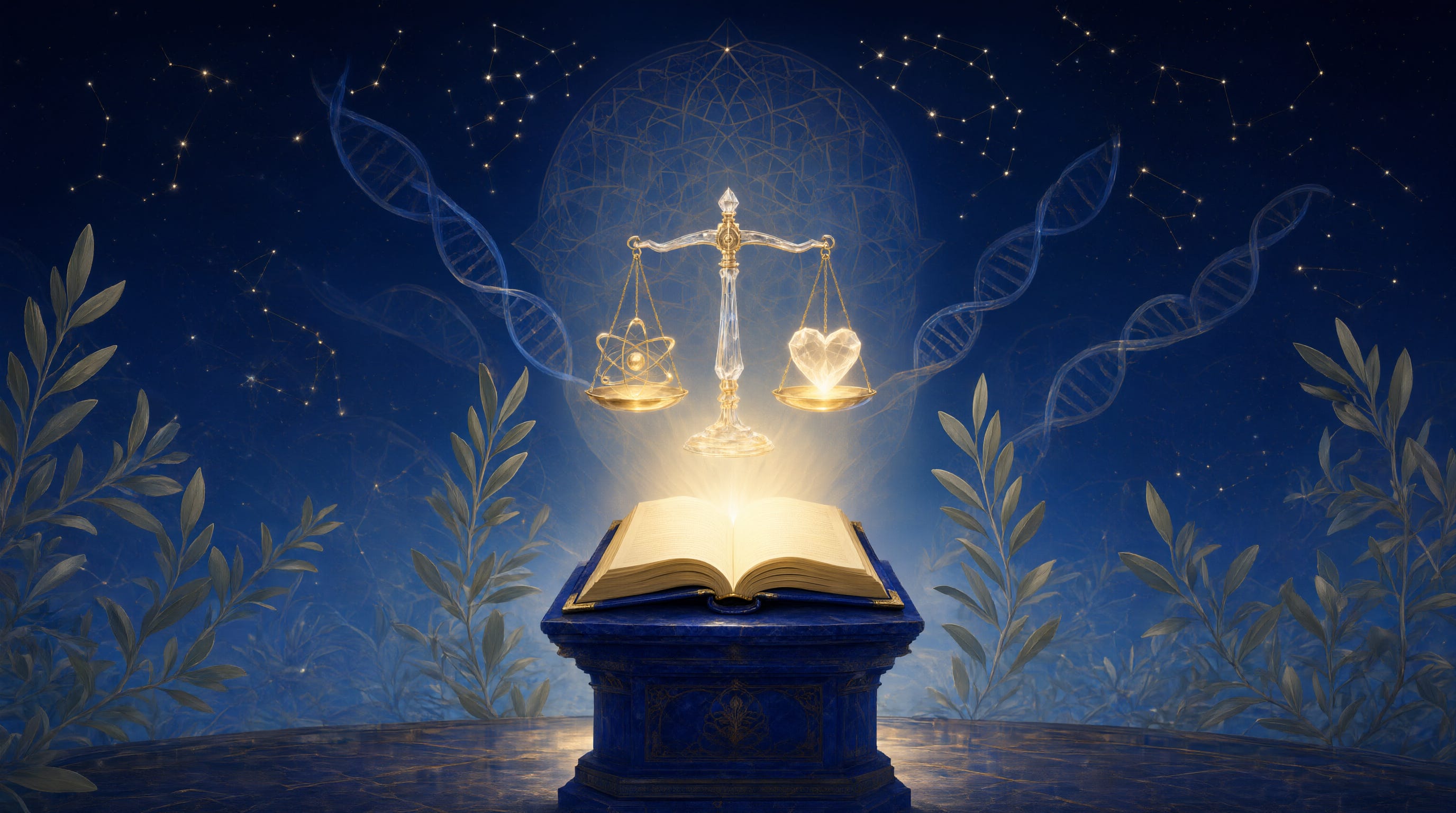
In one sentence: Knowledge is a tool, and good character is the hand that must hold it.
Why We Mark World Science Day
On November 10, the world celebrates World Science Day for Peace and Development. The day asks one big question: is science making the world more peaceful, or more dangerous?
Science is a tool. A knife can cut bread, or it can hurt a person. A phone can teach a child, or it can trick a crowd. Psychology can heal a wounded mind, or control it. History can bring people together, or teach them to hate.
The tool is not the problem. The hand that holds it is. That is why knowledge needs a guide. That guide is human dignity.
Every Person Has Worth
The Quran says:
“We have honoured the children of Adam.”
(Surah al-Isra, Chapter 17, The Night Journey, Verse 70)
Notice who is honoured: not one race, not one tribe, not one class. All the children of Adam. That means every human being.
So when scientists, doctors, engineers, or leaders make choices, they must ask: does this protect people’s honour? Does it help the weak — the child hurt by war, the sick person with no care, the family left behind? If knowledge walks over human dignity, it is not progress. It is loss.
Character First, Then Knowledge
Allah describes the Prophet’s mission this way:
“He purifies them and teaches them the Book and wisdom.”
(Surah al-Baqarah, Chapter 2, The Cow, Verse 151)
Clean the heart first. Fill the mind second. Why? Because knowledge in a bad heart becomes a weapon. Knowledge in a good heart becomes mercy.
Imam Ali (peace be upon him) said:
“Knowledge calls out for action. If action responds, it remains; otherwise, it departs.” (Nahj al-Balagha, Saying 366)
In plain words: knowing is not enough. Doing is the point. If you know bullying harms a child, stop the bullying. If you know a technology can trick people, use it with care. Knowledge without action fades away.
Prophet Yusuf: A Model of Useful Knowledge
In Surah Yusuf, Prophet Yusuf (peace be upon him) read the signs correctly: good years were coming, then years of hunger. He did not just warn people. He made a plan to store and share food (Chapter 12, Verse 47–49).
Then he said: “Put me in charge of the storehouses of the land; I am indeed a knowledgeable guardian.” (Chapter 12, Verse 55)
Two words matter here: knowledgeable and guardian. He had skill, and he could be trusted. A nation is safe when its knowledge sits in trustworthy hands. That is how science serves peace.
Peace Is Learned in Small Places
Peace does not begin in palaces. It begins in classrooms and homes.
Picture a teacher with two students fighting. She can shame them in front of the class. The lesson children learn: the strong may crush the weak. Or she can calm them, listen, and correct them kindly. The lesson children learn: people matter, even when they make mistakes.
The same is true of what we teach. History taught as “we are always right, they are always evil” plants the seeds of future wars. History taught honestly, with full context, plants understanding. Maps and geography should show how we share one earth — not erase our neighbours.
Be Fair — Even to Your Enemy
Here is the hardest test. The Quran says:
“Do not let hatred of a people lead you to abandon justice. Be just; that is nearer to righteousness.”
(Surah al-Ma’idah, Chapter 5, The Table Spread, Verse 8)
It is easy to be fair to friends. It is hard to be fair to those who hurt you. But that is exactly where faith is proven.
At the Battle of Siffin, Imam Ali (peace be upon him) heard his men insulting the enemy army. He stopped them at once:
“I dislike for you to become people who resort to verbal abuse.” Then he taught them a better way: speak against bad actions, and pray: “O Allah, spare our blood and theirs, and bring reconciliation between us and them.” (Nahj al-Balagha, Sermon 206)
Even in war, he kept his tongue clean and his heart open to peace. If soldiers must stay just, how much more must writers, teachers, and scientists?
What This Means for Us Today
Universities and tech companies: test new tools before releasing them. Ask: who could this harm?
Teachers and parents: raise children with knowledge and character. One without the other fails.
Writers and journalists: tell the truth, even about people you dislike. Never strip anyone of their humanity.
Every reader: use what you know to help someone today.
Closing
Science tells us what we can do. Faith tells us what we should do. When the two walk together, knowledge becomes mercy, technology becomes trust, and learning becomes peace.
That is the spirit of World Science Day. And that is the spirit Islam calls us to live every day.