

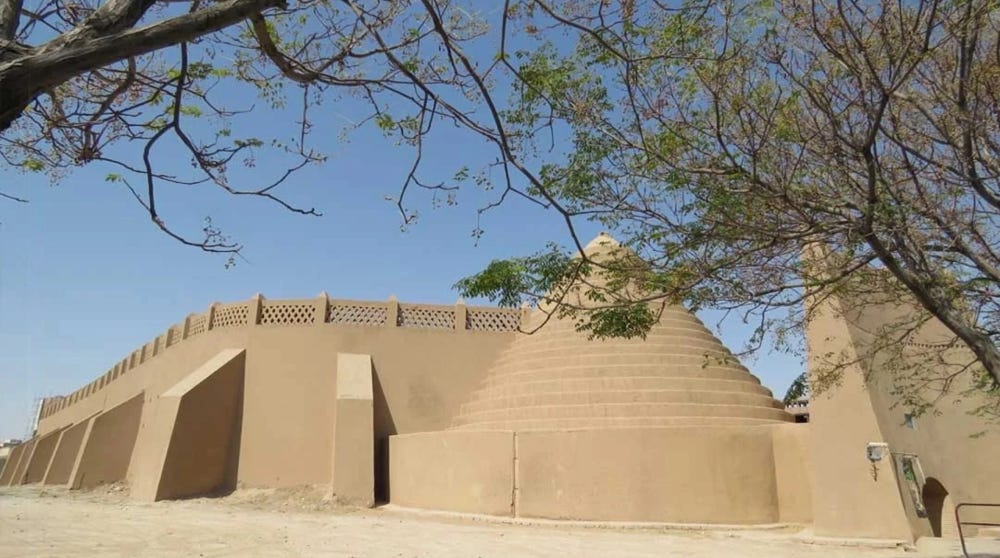
Long before electricity or refrigerators existed, Iranians living in some of the hottest and driest regions on Earth had already solved the problem of keeping cool. The yakhchal—literally “ice pit”—stands as one of the most remarkable examples of Persian engineering, a testament to the innovative spirit that flourished across the Islamic world.
Engineering Marvels in the Desert

In cities like Yazd, Kashan, Isfahan, Kerman, and Birjand, ice was available year-round, even as summer temperatures soared. The system was elegantly simple yet brilliantly effective: a high shading wall, a shallow freezing pond, and a deep underground storage chamber covered by a thick dome—all constructed from local materials like adobe, mud brick, and straw.
During winter nights, water from nearby qanats (underground canals) was poured into long, shallow ponds behind walls reaching up to 12 meters high. These walls blocked the sun during the day, while the dry desert air accelerated heat loss through evaporation at night. By morning, thin layers of water had frozen solid.
Workers would add water gradually, layer by layer, until the ice reached sufficient thickness. The frozen blocks were then transported to underground storage pits dug more than six meters deep—where soil temperatures remain stable year-round. Some of these structures could hold thousands of tonnes of ice.
A Legacy of Sweet Delights

This abundance of ice gave rise to some of the world’s earliest frozen desserts. Faloodeh—thin rice noodles frozen in rose water and sugar syrup—dates back to at least 400 BCE. Early versions of ice cream, combining stored ice with milk, saffron, and fruit juices, eventually evolved into the beloved bastani sonnati that Iranians enjoy today.
Lessons for Our Time
The yakhchal represents more than historical curiosity. As the world grapples with climate change and energy consumption, these ancient structures offer profound lessons. They demonstrate how cooling can be achieved through careful design aligned with local climate conditions—without machinery, fuel, or continuous energy input.
By the early 20th century, mechanical refrigeration rendered most ice houses obsolete. Many crumbled from neglect. Yet those that remain stand as silent witnesses to a civilization that understood something we’re only now rediscovering: that sustainability isn’t a modern invention—it’s an ancient wisdom waiting to be remembered.
The next time you enjoy a cold drink on a hot day, remember the Persian engineers who made ice in the desert millennia before anyone else thought it possible.