

The Sin That Comes Dressed as Entertainment
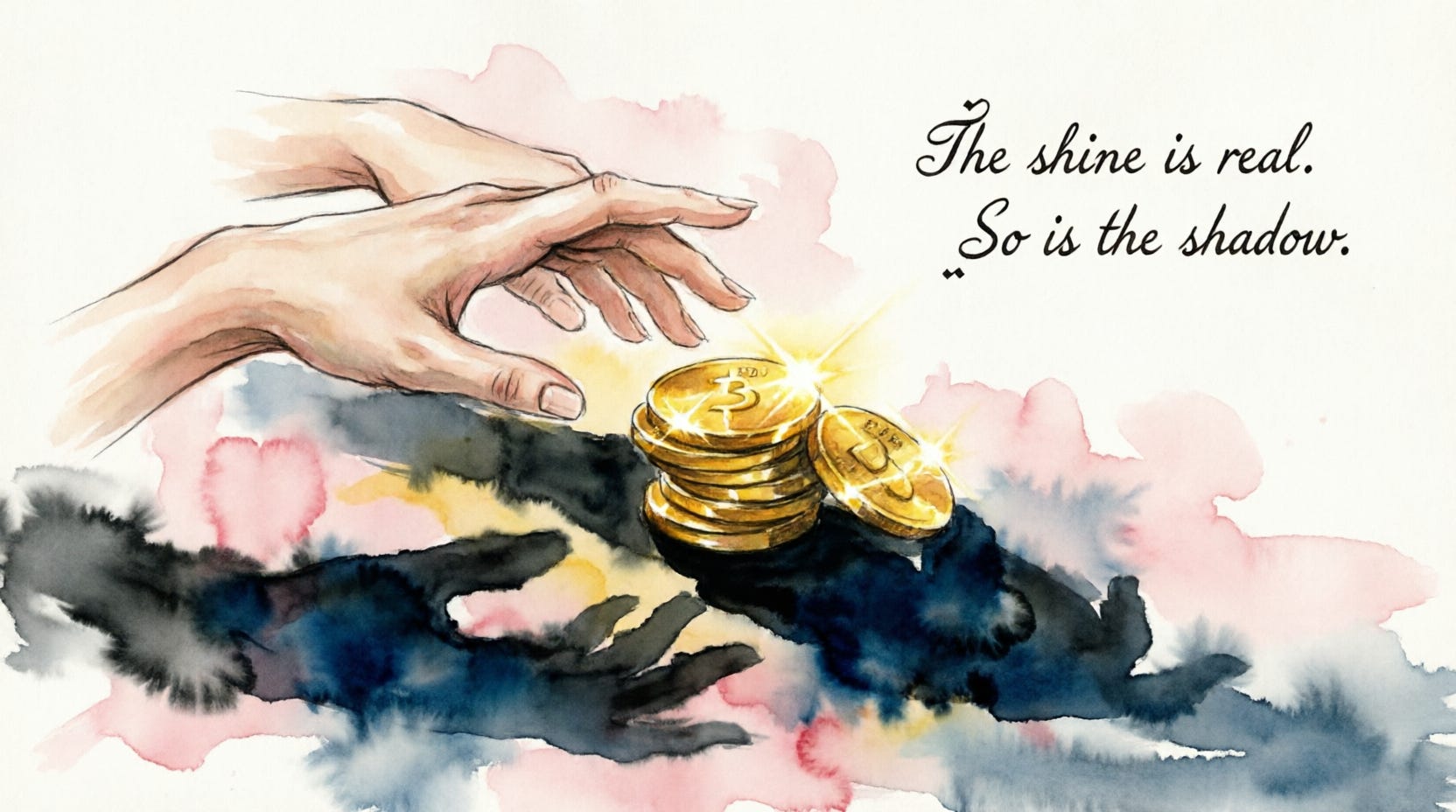
Notice something about the last two articles. Alcohol and gambling sit side by side — Sin 13 and Sin 14. And in the Quran, they are forbidden in the same verse. Not coincidentally. Because they share the same soul — both promise something they cannot deliver, both disable the rational mind, both create a spiral that is far easier to enter than to escape, and both have been dressed up by modern culture as harmless entertainment.
You can walk into any betting shop on any high street in Britain. You can open a sports app on your phone and place a bet in thirty seconds. Online casinos run around the clock. Scratch cards sit next to the checkout at every corner shop. The National Lottery is advertised with cheerful music and the tagline “It could be you.”
And Islam says, clearly and consistently — all of it is prohibited. Not restricted. Not discouraged. Prohibited.
The Holy Quran states in Surah Al-Baqarah: “They ask you about intoxicants and games of chance. Say: in both of them there is a great sin.” The word used — ithm al-kabir — means a very great sin.
What Exactly Is Gambling?
In Islamic law, Qimar — gambling — refers to any game or transaction where one party wins what the other loses, based purely on chance rather than skill, effort, or genuine exchange of value. The defining feature is this: money or property changes hands not because of any real service, product, or labour — but because of luck.
This covers an enormous range of activities — card games played for money, dice, betting on sports, casino games, horse racing, online gaming with real stakes, and yes — lotteries, scratch cards, and even certain prize draws where entry requires payment.
The scholars have also discussed certain modern financial instruments — speculative trading, certain derivatives, and other forms of investment where the outcome is purely chance-based rather than genuine investment in productive activity — as falling within the spirit of this prohibition.
The common thread through all of it is the same thing the Quran identified: great sin. And understanding why requires understanding what gambling actually does to a human being and a society.
What the Quran Says — Placed Right Beside Alcohol
In Surah Al-Ma’ida, Chapter 5, The Table Spread, Verse 90-91 — the same verse we quoted in the alcohol article — Allah lists gambling right alongside intoxicants:
“O you who believe — indeed, intoxicants, gambling, sacrificing on stone altars, and divining arrows are but defilement from the work of Shaytan — so avoid it, that you may be successful. Shaytan only wants to cause between you animosity and hatred through intoxicants and gambling, and to avert you from the remembrance of Allah and from prayer.”
The pairing is deliberate and profound. Both alcohol and gambling share the same two consequences in this verse — they create animosity and hatred between people, and they avert the person from the remembrance of Allah and from prayer.
Think about that second consequence specifically. When a person is consumed by gambling — when the next bet, the next game, the next spin of the wheel fills their mind — there is no space left for Allah. The remembrance of Allah — which is described elsewhere in the Quran as “the greatest thing” — has been crowded out entirely by the obsession with chance and winnings. The gambler’s heart is full. Just full of the wrong things.
And the first consequence — animosity between people — anyone who has seen what gambling does to families, friendships, and communities knows exactly what the Quran is describing. The borrowed money that was never returned. The savings that disappeared. The lies told to cover losses. The marriages destroyed. The friendships severed. Gambling is a relationship destroyer — and the Quran named that fact fourteen centuries before modern addiction research confirmed it.
What the Ahlul Bayt (AS) Taught
The Imams (AS) spoke about gambling with remarkable directness — and they connected it to the same spiritual mechanism as alcohol.
Imam Ali (AS) said: “Keep your children away from gambling — because it creates a habit that is extremely difficult to break, and leads to poverty and disgrace.”
Three consequences — habit, poverty, disgrace. And notice the audience: children. Imam Ali (AS) was thinking generationally. The gambling habit planted in childhood or youth is the one that causes devastation in adulthood. The warning is not only for adults already caught in its grip. It is for parents, for families, for communities — guard the young ones before the habit takes root.
Imam Ja’far as-Sadiq (AS) made a statement that connects gambling directly to the spiritual heart:
“One who plays with instruments of gambling — even without any stakes — is like one who has dipped his hand in the flesh and blood of a pig.”
Even without stakes. Even as a game. The scholars explain this narration carefully — the concern is about normalisation. The person who plays gambling games casually, for fun, without money involved, is training themselves to find the activity pleasurable and habitual. They are lowering their own resistance to the full sin. The gateway is being prepared.
And then this narration, narrated from the Prophet (S), which stands as one of the clearest statements on the spiritual effect of gambling:
“Beware of gambling — for it hardens the heart and distances a person from Allah.”
Hardens the heart. That phrase — qaswat al-qalb — is one of the most feared spiritual conditions in Islamic teaching. A hard heart does not weep at the recitation of Quran. A hard heart does not soften at the mention of death. A hard heart does not feel the call to prayer as anything other than background noise. And gambling — with its cycles of excitement, loss, desperation, and the relentless chase of the next win — is one of the most effective ways to harden a heart that was once soft.
The Psychology of Gambling — What Islam Identified First
Here is something remarkable. The Islamic prohibition on gambling — articulated over fourteen centuries ago — maps almost perfectly onto what modern psychology and addiction science has discovered about why gambling is so uniquely dangerous.
The near miss effect — where almost winning feels almost as exciting as winning, keeping the gambler hooked. The variable reward schedule — the most addictive pattern known to behavioural science, where rewards come unpredictably and therefore drive obsessive repetition. The distortion of risk assessment — where gamblers consistently overestimate their chances of winning. The social isolation and deception that follow financial losses.
All of this is what the Imams were describing when they spoke about the habit forming, the hardening of the heart, the animosity it creates between people. They did not need clinical studies. They were describing the human soul and its vulnerabilities with the precision of those who understood it from the inside.
Islam’s prohibition on gambling is not an arbitrary rule. It is a fence placed around a cliff — by One who could see the cliff clearly even when those approaching it could not.
The Modern Gambling Epidemic — And Our Community
Let us be specific and honest about the world we are living in — because this is not an abstract concern for British Muslims.
The gambling industry in the UK is one of the largest in the world. Betting shops are disproportionately concentrated in lower-income areas — including many areas with large Muslim populations. Online gambling has exploded, with apps designed by teams of psychologists specifically to maximise engagement and minimise the likelihood of stopping. Sports betting has been normalised to the point where almost every football match is accompanied by dozens of betting advertisements.
And within Muslim communities — particularly among young men — gambling addiction is more prevalent than many people want to acknowledge. It often happens quietly, hidden behind the shame of knowing it is haram, feeding on itself in secret until the financial and family consequences become impossible to conceal.
The Ahlul Bayt’s warning about animosity and hatred arising from gambling is not theoretical. It is playing out in Muslim households and communities right now — in the form of secret debts, stolen family savings, broken marriages, and the particular shame of a person who knows they are sinning and cannot seem to stop.
Is It Really Gambling? The Grey Areas
Muslims often ask about specific activities that may or may not fall under the prohibition. Let’s address the most common ones honestly.
The National Lottery and scratch cards — yes, these are gambling. You pay for a chance at a random prize. The fact that some proceeds go to charity does not change the nature of the transaction.
Sports fantasy leagues with entry fees and prizes — if money is staked and the outcome is primarily chance rather than skill, this falls under gambling. Even where skill is involved, if the dominant factor is chance, the prohibition applies.
Stock market trading — regular investment in genuine businesses, based on research and a real stake in the company’s success, is not gambling. Highly speculative day-trading, options, and derivatives where the outcome is essentially chance — these sit in more problematic territory and require scholarly guidance.
Card games among friends without money — the scholars differ on purely recreational games without stakes, but the narration of Imam as-Sadiq (AS) about normalisation and the hardening effect of gambling instruments should give us pause.
Raffle tickets — where the price of entry is genuinely for a product or service and a prize is incidental, some scholars permit this. Where the sole purpose of payment is a chance at a prize, most treat it as gambling. Consult a scholar for your specific situation.
The guiding principle from the Ahlul Bayt is always: when in doubt, step back. The barakah you protect by avoiding something questionable is worth far more than any potential gain.
Gambling and Tawakkul — The Spiritual Core
At the deepest level, gambling represents a failure of tawakkul — true reliance on Allah for sustenance.
Islam teaches that every person’s rizq — their provision — has been written by Allah before they were born. Not randomly distributed. Not allocated by luck. Written. Decreed. By the One who knows every need, every circumstance, every season of a person’s life.
The gambler is, at the spiritual root of their behaviour, saying: I don’t trust that Allah’s provision will be enough. I don’t trust that halal effort and patient waiting will bring me what I need. I need to chase something extra — through chance, through the spin of a wheel, through the luck of a draw.
And Islam responds: your provision is already written. Chasing it through haram means will not increase it — it will only pollute what arrives and remove the barakah from it. The family sustained by gambling winnings does not thrive. The household built on haram foundations does not find peace.
Imam Ali (AS) said: “Sustenance that arrives through halal means — even if it is small — is more blessed than a large amount obtained through haram.”
A little, earned cleanly, carries more barakah than a fortune extracted from harm. That is not a comforting platitude. It is a spiritual law.
For Those Already Struggling
If you or someone you love is caught in the grip of gambling addiction — please know that Islam sees this as what it is: an addiction, a trap, a spiritual illness that requires real support to overcome. The shame that keeps people silent is itself one of gambling’s most powerful weapons. It prevents the person from reaching out, from admitting the problem, from getting help.
The tawbah from gambling, like tawbah from any addiction, requires honesty — with Allah, with yourself, and where possible with trusted people who can support you. It requires practical steps: removing access to gambling platforms, seeking support from addiction services, rebuilding financial stability gradually and honestly.
And it requires du’a. The dua of a person genuinely trying to break free from something haram — asking Allah for strength, for provision through halal means, for the healing of a heart that was hardened — that du’a is heard. It is always heard.
A Closing Thought
Alcohol and gambling sit together in the Quran, forbidden in the same breath, for the same reasons — they create hatred between people and distance from Allah. Last article we talked about alcohol removing the ‘aql — the rational, spiritual mind. Gambling does something similar but more insidious. It doesn’t fog the mind with a chemical. It captures it — filling it with the obsessive calculation of odds, the relentless chase of the next win, the desperate attempt to recover losses that keeps a person coming back long after every rational part of them knows they should stop.
Both sins share the same spiritual signature: they replace tawakkul — trust in Allah — with trust in chance. They replace patient, halal effort with the desperate shortcut of luck. And they both, consistently and predictably, deliver the opposite of what they promise — not wealth, but poverty. Not excitement, but despair. Not freedom, but the most complete kind of enslavement.
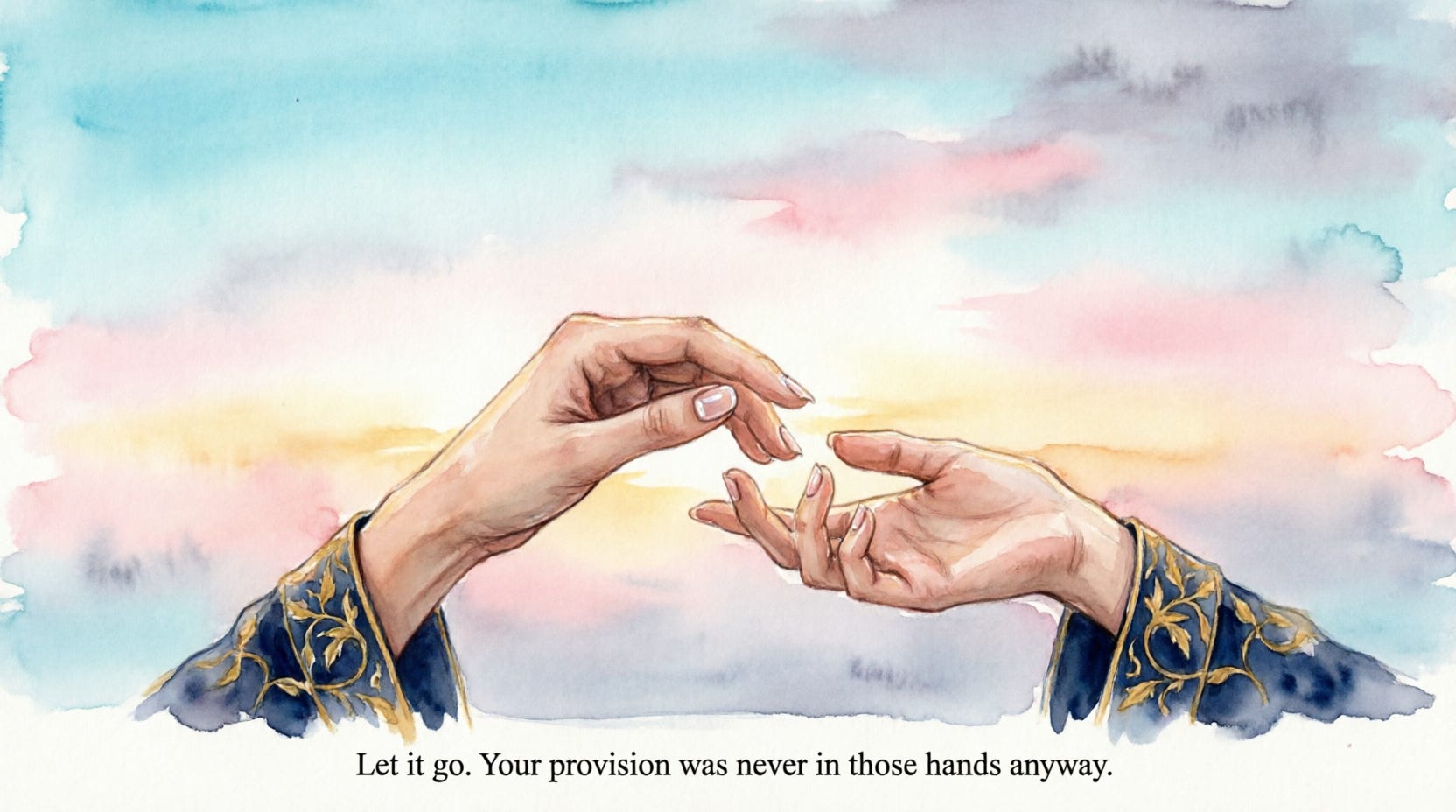
Your provision is written. Your sustenance is guaranteed. The One who decreed it knows your needs better than any lottery ever will.
Trust Him. That is the complete antidote to gambling, said in three words.
May Allah protect us and our families from the lure of gambling in all its modern forms. May He grant us contentment with what He has decreed for us, barakah in our halal earnings, and hearts that find their excitement in His remembrance rather than the spin of a wheel. Ameen.