

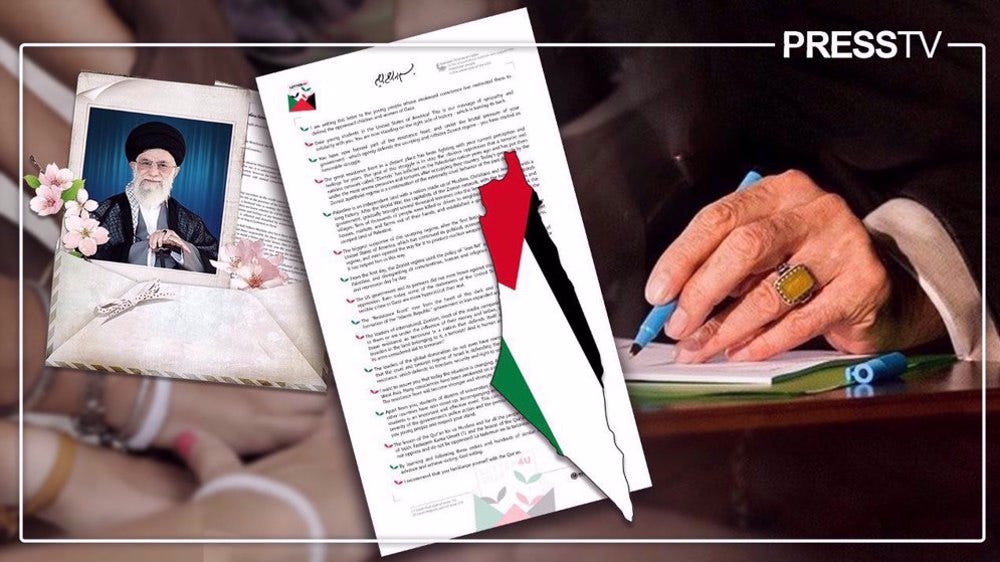
In the grand theatre of global politics, communication is usually a cold exchange of sanctions, treaties, and diplomatic rhetoric. Yet, three times over the last decade, Ayatollah Seyyed Ali Khamenei broke this mould. He didn’t write to presidents or prime ministers; he wrote to the “young people of the West.” These were not political manifestos, but emotional appeals—letters from a father-figure of a nation to the “searching souls” of another, urging them to look past the smoke and mirrors of a fractured world.
Here is the emotional journey through those three historic messages.
1. The Plea for Curiosity (January 2015)
The Context: The world was reeling from the Charlie Hebdo attacks. A thick cloud of Islamophobia was settling over Europe and North America, painting an entire faith with the brush of terror.
This letter felt like an urgent whisper amidst a deafening roar of hatred. There was a sense of profound sadness that a generation of young people was being fed a “processed” version of truth. The Leader spoke with a tone of intellectual empathy, acknowledging that young hearts are more vibrant and less prone to the “old prejudices” of their elders.
He didn’t ask for conversion; he asked for fairness. He appealed to the natural rebellion of youth, asking them: “Why does the old power policy of spreading phobia and hatred target Islam with such intensity?” It was a call to arms for the mind—urging them to pick up the Quran and read it for themselves before the world told them what to think. It was a message of hope that truth, when sought sincerely, could pierce through the darkness of propaganda.
2. The Shared Heartbeat of Pain (November 2015)
The Context: Terrorism had struck Paris again. Fear was at an all-time high, and the divide between the “East” and the “West” felt like an unbridgeable chasm.
This letter was steeped in profound solidarity. It was the voice of someone who had seen his own people suffer from the same violence now visiting the streets of Europe. The Leader spoke of a “common worry,” bridging the gap between a mother in Paris and a father in Baghdad.
He didn’t shy away from the bitterness of “double standards,” but he did so with a sense of moral clarity. He invited the youth to see that the pain of a child dying in Palestine or Yemen is the same as the pain of a victim in France. It was a plea for a global conscience—an emotional realization that humanity is one body, and until the West stops feeding the roots of violence through its policies, no one is truly safe. He spoke to the youth as the architects of a “reformed” future, one built on honor rather than domination.
3. The Embrace of the Brave (May 2024)
The Context: University campuses across the United States were erupting in protests against the devastation in Gaza. Students were being arrested, suspended, and vilified for standing up for Palestine.
This letter vibrated with raw pride and fatherly encouragement. It was perhaps the most personal of the three. To the students who were being told they were “terrorist sympathisers,” the Leader offered a different title: “You have now formed a branch of the Resistance Front.”
There was a palpable sense of vindication in his words. He expressed a deep, moving respect for their courage to stand against the tide of their own government’s policies. He told them they were on the “right side of history,” a phrase that resonated with the soul of a generation that felt isolated in its activism. It wasn’t just a political endorsement; it was an emotional embrace, telling a group of young Americans that even across oceans and ideological divides, their sacrifice for justice was seen and honoured.
The Legacy: A Bridge of Human Spirit
These letters remind us that while governments may be at odds, the human spirit remains a shared territory. Imam Khamenei’s messages were a reminder that the youth are not just the “leaders of tomorrow,” but the conscience of today. They were letters written with a pen dipped in the hope that if the youth of the West and the East can truly see one another, the walls of the old world will eventually crumble.
Source: PressTv