

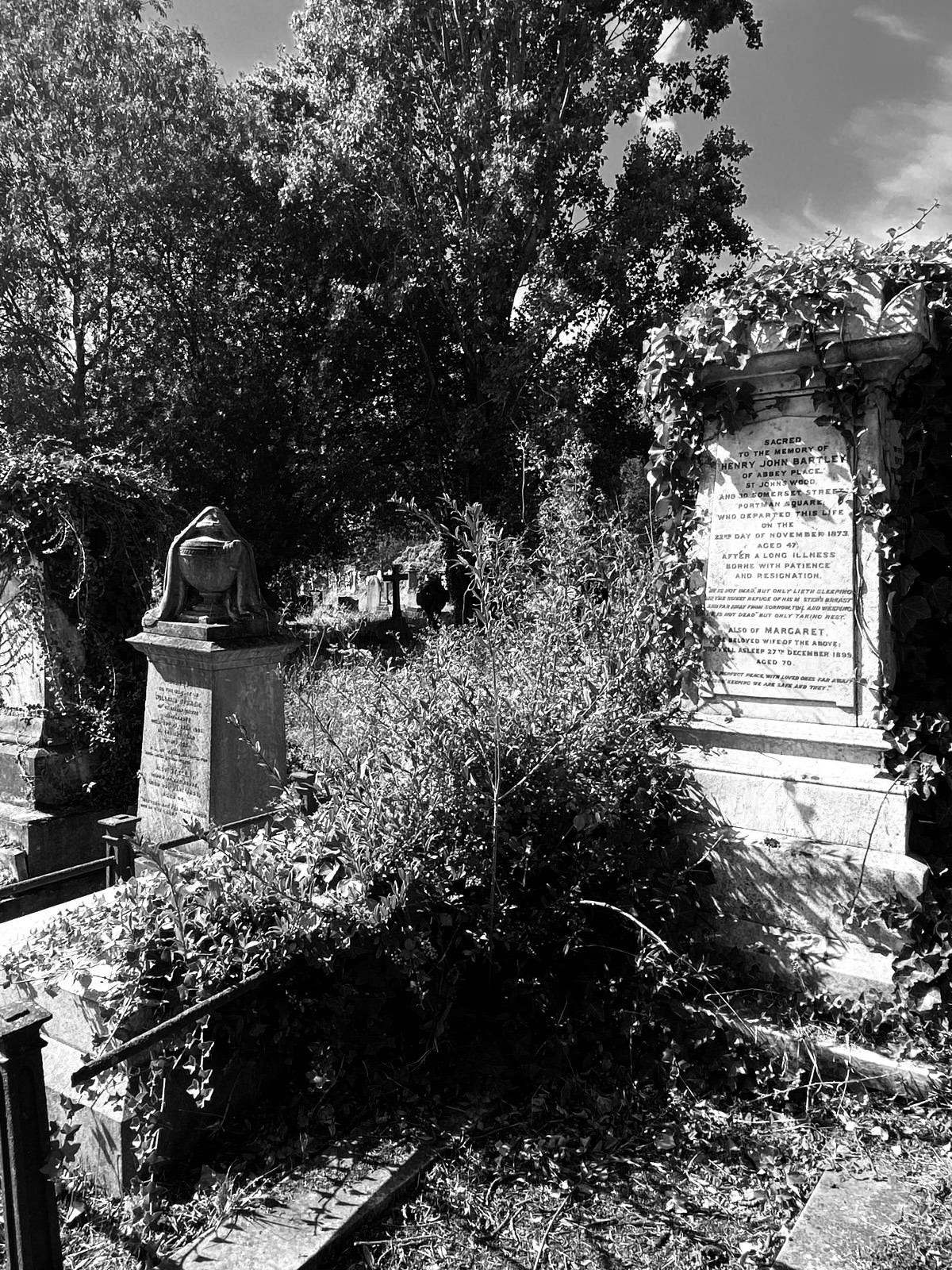
It is not often that we pass by a graveyard, yet Imam Ali (AS) reminds us of the importance of preparing to meet our Lord in Sermon 219, which he preached after reading the verse in the Holy Quran which declared, ‘Engage your vying in exuberance until ye come to the graves’ (Holy Quran, Surah at-Takathur, Chapter 102, The Rivalry, Verse 1-2). Such was the Imam’s timely warning for those who were heedless. When we visit graves, we are reminded of our own inevitable fate. The following extract from a sermon by Imam Ali (AS) serves as a powerful and sobering reminder of the brevity of this life and the trials of the life to come, particularly for those who are arrogant and neglectful.
‘How distant (from achievement) is their aim, how neglectful these visitors are, and how difficult the affair is! They have not taken lessons from things which are full of lessons, but they took them from far-off places. Do they boast about the dead bodies of their forefathers, or do they regard the number of the dead as grounds for boasting about their own numbers? They want to revive bodies that have become lifeless and movements that have ceased. They are more deserving of being a source of admonishment than a source of pride and boasting. They are more worthy of being a source of humility than of honour.
They looked at them with weak-sighted eyes, descending into the depths of ignorance. Had they asked about them through their dilapidated homes and empty courtyards, they would have been told that they had returned to the earth in a state of misguidance, and that you, too, are heading towards them in ignorance. You trample upon their skulls, build upon their corpses, consume what they have left behind, and live in the houses they have vacated. The days that lie between them and you are also mourning you and reciting eulogies over you.
They are your forerunners in reaching the destination. They have arrived at the watering places before you. They once held positions of honour and possessed great pride. They were rulers and holders of high office. Now they have entered the place where the earth covers them from above, consuming their flesh and drinking their blood. They lie lifeless in the hollows of their graves, no longer growing, hidden and beyond discovery. The approach of danger does not frighten them, nor does the adversity of circumstances grieve them. They are unmoved by earthquakes and heedless of thunder. They have departed and are not expected to return. They exist, yet remain unseen. They were once united, but are now dispersed; they were together, but are now separated.
Their records are unknown, and their houses are silent—not because of the passage of time or the distance of place, but because they have been made to drink the cup of death, which has turned their speech into silence, their hearing into deafness, and their movements into stillness. It is as though they have fallen into a deep slumber. They are neighbours who feel no affection for one another, and friends who can no longer meet. The bonds of familiarity have worn away, and the ties of friendship have been severed. Each one of them is alone, even though they belong to a group; they are strangers, though once they were friends. They know nothing of the morning after night or the evening after day. The night or day on which they departed has become everlasting for them, a night that passes into no new day.
They have found the dangers of their place of abode to be far more serious than they had feared. They have witnessed signs far greater than they had imagined. The two destinations—Paradise and Hell—have been laid out before them, beyond the reach of fear or hope as they once knew it. Had they been able to speak, they would have been unable to describe what they had witnessed or seen.
Even though their traces have been erased and news of them has ceased, eyes can still draw lessons from them, discerning minds can reflect upon them, and attentive ears can hear their silent message. They speak without uttering a word, conveying this warning:
‘Handsome faces have been destroyed, and delicate bodies have been covered in earth. We have been wrapped in worn-out shrouds. The narrowness of the grave has overwhelmed us, and estrangement has surrounded us. Our silent abodes have fallen into ruin. The beauty of our bodies has disappeared, and our once-familiar features have become unrecognisable. Our stay in these strange abodes has grown long. We find no relief from our pain, nor any widening of our narrow confines.’
Let us reflect deeply on the words of Imam Ali (AS). As we walk the path of our lives, we must remain vigilant over ourselves, mindful of our actions, and conscious of our ultimate return to God. We must make the most of the present moment, for the opportunity to change, repent, and prepare for the Hereafter will not remain forever.
May God have mercy on our souls.
Editorial note: I have focused on grammar, clarity, and flow. As the central passage is presented as a quotation from ImamAli (AS), I have retained its substance but made some light editorial changes for readability. If this is intended for formal publication or religious study, I recommend checking the revised quotation against the original sermon and its published translation, particularly where the wording has been adjusted.